

[fusion_builder_container type=”flex” hundred_percent=”no” hundred_percent_height=”no” hundred_percent_height_scroll=”no” align_content=”stretch” flex_align_items=”flex-start” flex_justify_content=”flex-start” flex_wrap=”wrap” hundred_percent_height_center_content=”yes” equal_height_columns=”no” container_tag=”div” hide_on_mobile=”small-visibility,medium-visibility,large-visibility” status=”published” border_style=”solid” box_shadow=”no” box_shadow_blur=”0″ box_shadow_spread=”0″ gradient_start_position=”0″ gradient_end_position=”100″ gradient_type=”linear” radial_direction=”center center” linear_angle=”180″ background_position=”center center” background_repeat=”no-repeat” fade=”no” background_parallax=”none” enable_mobile=”no” parallax_speed=”0.3″ background_blend_mode=”none” video_aspect_ratio=”16:9″ video_loop=”yes” video_mute=”yes” pattern_bg=”none” pattern_bg_style=”default” pattern_bg_opacity=”100″ pattern_bg_blend_mode=”normal” mask_bg=”none” mask_bg_style=”default” mask_bg_opacity=”100″ mask_bg_transform=”left” mask_bg_blend_mode=”normal” absolute=”off” absolute_devices=”small,medium,large” sticky=”off” sticky_devices=”small-visibility,medium-visibility,large-visibility” sticky_transition_offset=”0″ scroll_offset=”0″ animation_direction=”left” animation_speed=”0.3″ animation_delay=”0″ filter_hue=”0″ filter_saturation=”100″ filter_brightness=”100″ filter_contrast=”100″ filter_invert=”0″ filter_sepia=”0″ filter_opacity=”100″ filter_blur=”0″ filter_hue_hover=”0″ filter_saturation_hover=”100″ filter_brightness_hover=”100″ filter_contrast_hover=”100″ filter_invert_hover=”0″ filter_sepia_hover=”0″ filter_opacity_hover=”100″ filter_blur_hover=”0″ admin_toggled=”yes”][fusion_builder_row][fusion_builder_column type=”1_1″ layout=”1_1″ align_self=”auto” content_layout=”column” align_content=”flex-start” valign_content=”flex-start” content_wrap=”wrap” center_content=”no” column_tag=”div” target=”_self” hide_on_mobile=”small-visibility,medium-visibility,large-visibility” sticky_display=”normal,sticky” order_medium=”0″ order_small=”0″ hover_type=”none” border_style=”solid” box_shadow=”no” box_shadow_blur=”0″ box_shadow_spread=”0″ background_type=”single” gradient_start_position=”0″ gradient_end_position=”100″ gradient_type=”linear” radial_direction=”center center” linear_angle=”180″ lazy_load=”none” background_position=”left top” background_repeat=”no-repeat” background_blend_mode=”none” sticky=”off” sticky_devices=”small-visibility,medium-visibility,large-visibility” absolute=”off” filter_type=”regular” filter_hover_element=”self” filter_hue=”0″ filter_saturation=”100″ filter_brightness=”100″ filter_contrast=”100″ filter_invert=”0″ filter_sepia=”0″ filter_opacity=”100″ filter_blur=”0″ filter_hue_hover=”0″ filter_saturation_hover=”100″ filter_brightness_hover=”100″ filter_contrast_hover=”100″ filter_invert_hover=”0″ filter_sepia_hover=”0″ filter_opacity_hover=”100″ filter_blur_hover=”0″ transform_type=”regular” transform_hover_element=”self” transform_scale_x=”1″ transform_scale_y=”1″ transform_translate_x=”0″ transform_translate_y=”0″ transform_rotate=”0″ transform_skew_x=”0″ transform_skew_y=”0″ transform_scale_x_hover=”1″ transform_scale_y_hover=”1″ transform_translate_x_hover=”0″ transform_translate_y_hover=”0″ transform_rotate_hover=”0″ transform_skew_x_hover=”0″ transform_skew_y_hover=”0″ transition_duration=”300″ transition_easing=”ease” scroll_motion_devices=”small-visibility,medium-visibility,large-visibility” animation_direction=”left” animation_speed=”0.3″ animation_delay=”0″ last=”true” border_position=”all” min_height=”” link=”” first=”true”][fusion_text animation_direction=”left” animation_speed=”0.3″ animation_delay=”0″ hide_on_mobile=”small-visibility,medium-visibility,large-visibility” sticky_display=”normal,sticky”]Starting a small home daycare setup in living room is an exciting adventure. It offers the chance to have a satisfying job and make a cozy place for little ones to grow and learn. You can create a safe, engaging environment for children with some planning and preparation. Here are the top 16 tips for setting up a living room daycare space:[/fusion_text][fusion_title title_type=”text” marquee_direction=”left” marquee_speed=”15000″ rotation_effect=”bounceIn” display_time=”1200″ highlight_effect=”circle” loop_animation=”off” highlight_width=”9″ highlight_top_margin=”0″ title_link=”off” link_target=”_self” content_align=”left” size=”2″ text_shadow=”no” text_shadow_blur=”0″ text_stroke=”no” text_stroke_size=”1″ text_overflow=”none” gradient_font=”no” gradient_start_position=”0″ gradient_end_position=”100″ gradient_type=”linear” radial_direction=”center center” linear_angle=”180″ style_type=”default” animation_direction=”left” animation_speed=”0.3″ animation_delay=”0″ hide_on_mobile=”small-visibility,medium-visibility,large-visibility” sticky_display=”normal,sticky”]Safety First for Small Home Daycare Setup in Living Room[/fusion_title][fusion_text animation_direction=”left” animation_speed=”0.3″ animation_delay=”0″ hide_on_mobile=”small-visibility,medium-visibility,large-visibility” sticky_display=”normal,sticky”]Safety should be your number one priority when setting up your home daycare. Walk through your outdoor space and look for potential hazards or risks to children. Secure loose cords from electronics, lamps, and blinds by anchoring them to baseboards or purchasing cord covers. Install stairway safety gates and block fireplaces or wood stoves with a sturdy barrier.
Round any sharp corners or edges of furniture and ensure windows have child safety locks. Check for choking hazards, such as small toy parts, buttons, marbles, and coins, and make sure small objects are kept out of reach of infants and toddlers. Remove tripping dangers like rugs without slip-proof backing. Moreover, have a fully-stocked first aid kit in an easily accessible place and keep emergency contacts posted visibly.[/fusion_text][fusion_title title_type=”text” marquee_direction=”left” marquee_speed=”15000″ rotation_effect=”bounceIn” display_time=”1200″ highlight_effect=”circle” loop_animation=”off” highlight_width=”9″ highlight_top_margin=”0″ title_link=”off” link_target=”_self” content_align=”left” size=”2″ text_shadow=”no” text_shadow_blur=”0″ text_stroke=”no” text_stroke_size=”1″ text_overflow=”none” gradient_font=”no” gradient_start_position=”0″ gradient_end_position=”100″ gradient_type=”linear” radial_direction=”center center” linear_angle=”180″ style_type=”default” animation_direction=”left” animation_speed=”0.3″ animation_delay=”0″ hide_on_mobile=”small-visibility,medium-visibility,large-visibility” sticky_display=”normal,sticky”]
Define the Space
[/fusion_title][fusion_text animation_direction=”left” animation_speed=”0.3″ animation_delay=”0″ hide_on_mobile=”small-visibility,medium-visibility,large-visibility” sticky_display=”normal,sticky”]
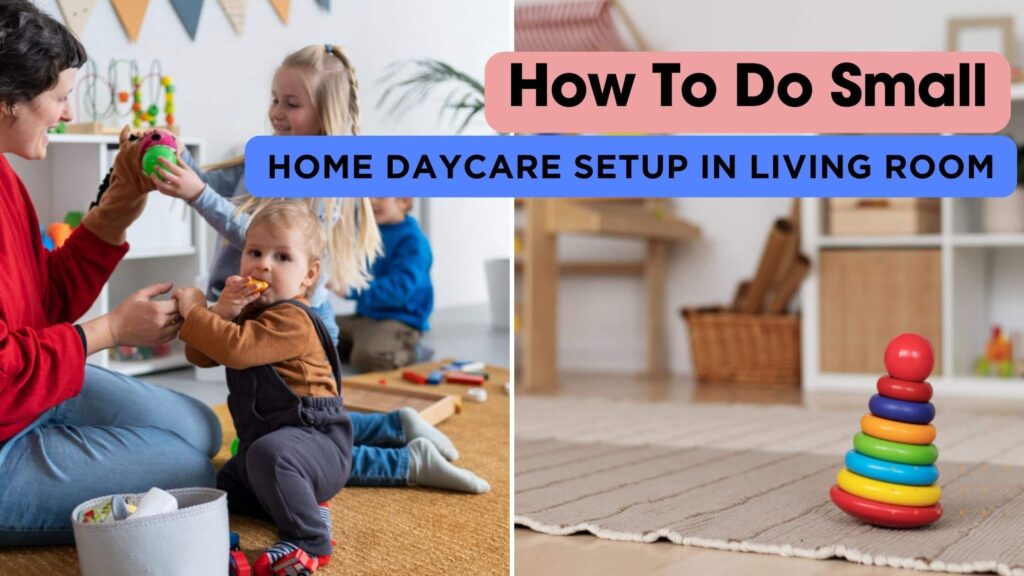
Use strategically placed furniture pieces, area rugs, and storage units to create defined “centers” for learning and play throughout your living room. For example, place a colorful 5×7 area rug in one corner and add soft seating and bookshelves to create a cozy reading nook.
Set up a small table and child-sized chairs nearby for arts and crafts. Go for vinyl floor mats to designate spaces for building and active play. Have labeled bins, baskets, and low-open shelving for organized toy storage within each area.
[/fusion_text][fusion_title title_type=”text” marquee_direction=”left” marquee_speed=”15000″ rotation_effect=”bounceIn” display_time=”1200″ highlight_effect=”circle” loop_animation=”off” highlight_width=”9″ highlight_top_margin=”0″ title_link=”off” link_target=”_self” content_align=”left” size=”3″ text_shadow=”no” text_shadow_blur=”0″ text_stroke=”no” text_stroke_size=”1″ text_overflow=”none” gradient_font=”no” gradient_start_position=”0″ gradient_end_position=”100″ gradient_type=”linear” radial_direction=”center center” linear_angle=”180″ style_type=”default” animation_direction=”left” animation_speed=”0.3″ animation_delay=”0″ hide_on_mobile=”small-visibility,medium-visibility,large-visibility” sticky_display=”normal,sticky”]
Furniture Arrangement
[/fusion_title][fusion_text animation_direction=”left” animation_speed=”0.3″ animation_delay=”0″ hide_on_mobile=”small-visibility,medium-visibility,large-visibility” sticky_display=”normal,sticky”]When arranging a small home daycare setup in living room, focus on creating open areas suitable for active movement and floor play. Make sure to leave enough space for children to spread out with toys comfortably.
Further, seek out moveable furniture, so there are clear walkways at least 3 feet wide. You know what? In this way, kids and daycare providers can quickly move about the classroom.
Position noisy, active play areas, for instance, blocks and dramatic play further away from quiet reading corners. Avoid clutter that could get in walkways and block supervision.
However, your furniture arrangement should allow you to see and easily move between all areas of the room. [/fusion_text][fusion_title title_type=”text” marquee_direction=”left” marquee_speed=”15000″ rotation_effect=”bounceIn” display_time=”1200″ highlight_effect=”circle” loop_animation=”off” highlight_width=”9″ highlight_top_margin=”0″ title_link=”off” link_target=”_self” content_align=”left” size=”2″ text_shadow=”no” text_shadow_blur=”0″ text_stroke=”no” text_stroke_size=”1″ text_overflow=”none” gradient_font=”no” gradient_start_position=”0″ gradient_end_position=”100″ gradient_type=”linear” radial_direction=”center center” linear_angle=”180″ style_type=”default” animation_direction=”left” animation_speed=”0.3″ animation_delay=”0″ hide_on_mobile=”small-visibility,medium-visibility,large-visibility” sticky_display=”normal,sticky”]
Toy Storage
[/fusion_title][fusion_text animation_direction=”left” animation_speed=”0.3″ animation_delay=”0″ hide_on_mobile=”small-visibility,medium-visibility,large-visibility” sticky_display=”normal,sticky”]
Proper toy storage spaces for a small home daycare setup in living room are similar to creating a magical world for active toddlers in daycare. Imagine a place where toys are neatly organized and easily accessible, and the room is free from clutter. Guess what? This not only enhances the overall atmosphere but also promotes a sense of order and responsibility among the little ones. Here are some steps through how you can elevate your living:
[/fusion_text][fusion_title title_type=”text” marquee_direction=”left” marquee_speed=”15000″ rotation_effect=”bounceIn” display_time=”1200″ highlight_effect=”circle” loop_animation=”off” highlight_width=”9″ highlight_top_margin=”0″ title_link=”off” link_target=”_self” content_align=”left” size=”3″ text_shadow=”no” text_shadow_blur=”0″ text_stroke=”no” text_stroke_size=”1″ text_overflow=”none” gradient_font=”no” gradient_start_position=”0″ gradient_end_position=”100″ gradient_type=”linear” radial_direction=”center center” linear_angle=”180″ style_type=”default” animation_direction=”left” animation_speed=”0.3″ animation_delay=”0″ hide_on_mobile=”small-visibility,medium-visibility,large-visibility” sticky_display=”normal,sticky”]
Shelving Units:
[/fusion_title][fusion_text animation_direction=”left” animation_speed=”0.3″ animation_delay=”0″ hide_on_mobile=”small-visibility,medium-visibility,large-visibility” sticky_display=”normal,sticky”]
Investing in sturdy and child-friendly shelving units is the foundation of organized toy storage. These are open bookcases but designed for toys. The shelves should be low enough for kids to reach without assistance, making it easy for them to pick and return toys. For a small home daycare setup in living room, arrange the shelves strategically , dedicating specific areas for different types of toys. Above all, this presents a systematic and accessible display.
[/fusion_text][fusion_title title_type=”text” marquee_direction=”left” marquee_speed=”15000″ rotation_effect=”bounceIn” display_time=”1200″ highlight_effect=”circle” loop_animation=”off” highlight_width=”9″ highlight_top_margin=”0″ title_link=”off” link_target=”_self” content_align=”left” size=”3″ text_shadow=”no” text_shadow_blur=”0″ text_stroke=”no” text_stroke_size=”1″ text_overflow=”none” gradient_font=”no” gradient_start_position=”0″ gradient_end_position=”100″ gradient_type=”linear” radial_direction=”center center” linear_angle=”180″ style_type=”default” animation_direction=”left” animation_speed=”0.3″ animation_delay=”0″ hide_on_mobile=”small-visibility,medium-visibility,large-visibility” sticky_display=”normal,sticky”]
Bins and Baskets:
[/fusion_title][fusion_text animation_direction=”left” animation_speed=”0.3″ animation_delay=”0″ hide_on_mobile=”small-visibility,medium-visibility,large-visibility” sticky_display=”normal,sticky”]
Child-sized book bins and baskets serve as fantastic companions to shelving units. Think of them as significant, open containers where similar toys can be grouped together. This not only makes it easier for kids to find what they are looking for but also simplifies the cleanup process. Clearly label each bin or basket, showcasing both words and pictures to cater to various age groups, fostering independence in toy selection.
[/fusion_text][fusion_title title_type=”text” marquee_direction=”left” marquee_speed=”15000″ rotation_effect=”bounceIn” display_time=”1200″ highlight_effect=”circle” loop_animation=”off” highlight_width=”9″ highlight_top_margin=”0″ title_link=”off” link_target=”_self” content_align=”left” size=”3″ text_shadow=”no” text_shadow_blur=”0″ text_stroke=”no” text_stroke_size=”1″ text_overflow=”none” gradient_font=”no” gradient_start_position=”0″ gradient_end_position=”100″ gradient_type=”linear” radial_direction=”center center” linear_angle=”180″ style_type=”default” animation_direction=”left” animation_speed=”0.3″ animation_delay=”0″ hide_on_mobile=”small-visibility,medium-visibility,large-visibility” sticky_display=”normal,sticky”]
Storage Containers:
[/fusion_title][fusion_text animation_direction=”left” animation_speed=”0.3″ animation_delay=”0″ hide_on_mobile=”small-visibility,medium-visibility,large-visibility” sticky_display=”normal,sticky”]
For items like art supplies, puzzles, or toys with multiple pieces, storage containers with lids come in handy. These are magic boxes that keep everything safe and in order. Transparent containers are handy, allowing children to see the contents without having to open them. Similarly, the bins and baskets, label these containers clearly for easy identification.
[/fusion_text][fusion_title title_type=”text” marquee_direction=”left” marquee_speed=”15000″ rotation_effect=”bounceIn” display_time=”1200″ highlight_effect=”circle” loop_animation=”off” highlight_width=”9″ highlight_top_margin=”0″ title_link=”off” link_target=”_self” content_align=”left” size=”3″ text_shadow=”no” text_shadow_blur=”0″ text_stroke=”no” text_stroke_size=”1″ text_overflow=”none” gradient_font=”no” gradient_start_position=”0″ gradient_end_position=”100″ gradient_type=”linear” radial_direction=”center center” linear_angle=”180″ style_type=”default” animation_direction=”left” animation_speed=”0.3″ animation_delay=”0″ hide_on_mobile=”small-visibility,medium-visibility,large-visibility” sticky_display=”normal,sticky”]
Labeling:
[/fusion_title][fusion_text animation_direction=”left” animation_speed=”0.3″ animation_delay=”0″ hide_on_mobile=”small-visibility,medium-visibility,large-visibility” sticky_display=”normal,sticky”]
Labels are the superheroes of toy storage for a small home daycare setup in living room. Attach labels to containers using both words and pictures, creating a visual guide for children. Words assist older kids and adults, while pictures make it accessible for younger children who may not be able to read yet. This simple addition ensures that everyone knows where each toy belongs, maintaining order and making cleanup a breeze.
[/fusion_text][fusion_title title_type=”text” marquee_direction=”left” marquee_speed=”15000″ rotation_effect=”bounceIn” display_time=”1200″ highlight_effect=”circle” loop_animation=”off” highlight_width=”9″ highlight_top_margin=”0″ title_link=”off” link_target=”_self” content_align=”left” size=”3″ text_shadow=”no” text_shadow_blur=”0″ text_stroke=”no” text_stroke_size=”1″ text_overflow=”none” gradient_font=”no” gradient_start_position=”0″ gradient_end_position=”100″ gradient_type=”linear” radial_direction=”center center” linear_angle=”180″ style_type=”default” animation_direction=”left” animation_speed=”0.3″ animation_delay=”0″ hide_on_mobile=”small-visibility,medium-visibility,large-visibility” sticky_display=”normal,sticky”]
Limiting Toys:
[/fusion_title][fusion_text animation_direction=”left” animation_speed=”0.3″ animation_delay=”0″ hide_on_mobile=”small-visibility,medium-visibility,large-visibility” sticky_display=”normal,sticky”]
Following a “less is more” philosophy is crucial in preventing overwhelming situations. Don’t flood the daycare space with too many toys at once. Instead, keep a portion in storage and rotate them on a weekly or monthly basis. This method keeps the selection fresh and prevents children from feeling overwhelmed by choices, leading to a more focused and enjoyable playtime.
[/fusion_text][fusion_title title_type=”text” marquee_direction=”left” marquee_speed=”15000″ rotation_effect=”bounceIn” display_time=”1200″ highlight_effect=”circle” loop_animation=”off” highlight_width=”9″ highlight_top_margin=”0″ title_link=”off” link_target=”_self” content_align=”left” size=”3″ text_shadow=”no” text_shadow_blur=”0″ text_stroke=”no” text_stroke_size=”1″ text_overflow=”none” gradient_font=”no” gradient_start_position=”0″ gradient_end_position=”100″ gradient_type=”linear” radial_direction=”center center” linear_angle=”180″ style_type=”default” animation_direction=”left” animation_speed=”0.3″ animation_delay=”0″ hide_on_mobile=”small-visibility,medium-visibility,large-visibility” sticky_display=”normal,sticky”]
Rotating Toys:
[/fusion_title][fusion_text animation_direction=”left” animation_speed=”0.3″ animation_delay=”0″ hide_on_mobile=”small-visibility,medium-visibility,large-visibility” sticky_display=”normal,sticky”]
Rotating toys is like introducing surprises into the daycare routine. Regularly switch out some toys, making sure there is always something new and exciting for the kids to discover. This not only prevents boredom but also encourages creativity and exploration. It is similar to having a mini celebration every time they come to daycare.
[/fusion_text][fusion_title title_type=”text” marquee_direction=”left” marquee_speed=”15000″ rotation_effect=”bounceIn” display_time=”1200″ highlight_effect=”circle” loop_animation=”off” highlight_width=”9″ highlight_top_margin=”0″ title_link=”off” link_target=”_self” content_align=”left” size=”3″ text_shadow=”no” text_shadow_blur=”0″ text_stroke=”no” text_stroke_size=”1″ text_overflow=”none” gradient_font=”no” gradient_start_position=”0″ gradient_end_position=”100″ gradient_type=”linear” radial_direction=”center center” linear_angle=”180″ style_type=”default” animation_direction=”left” animation_speed=”0.3″ animation_delay=”0″ hide_on_mobile=”small-visibility,medium-visibility,large-visibility” sticky_display=”normal,sticky”]
Clean-Up Routine:
[/fusion_title][fusion_text animation_direction=”left” animation_speed=”0.3″ animation_delay=”0″ hide_on_mobile=”small-visibility,medium-visibility,large-visibility” sticky_display=”normal,sticky”]
Teaching kids a simple clean-up routine is a valuable skill that goes beyond daycare. Encourage them to clean up toys before transitioning to a new activity plan. This routine not only instills a sense of responsibility but also showcases that the daycare space remains neat and ready for the next adventure.
[/fusion_text][fusion_title title_type=”text” marquee_direction=”left” marquee_speed=”15000″ rotation_effect=”bounceIn” display_time=”1200″ highlight_effect=”circle” loop_animation=”off” highlight_width=”9″ highlight_top_margin=”0″ title_link=”off” link_target=”_self” content_align=”left” size=”3″ text_shadow=”no” text_shadow_blur=”0″ text_stroke=”no” text_stroke_size=”1″ text_overflow=”none” gradient_font=”no” gradient_start_position=”0″ gradient_end_position=”100″ gradient_type=”linear” radial_direction=”center center” linear_angle=”180″ style_type=”default” animation_direction=”left” animation_speed=”0.3″ animation_delay=”0″ hide_on_mobile=”small-visibility,medium-visibility,large-visibility” sticky_display=”normal,sticky”]
Involving Kids:
[/fusion_title][fusion_text animation_direction=”left” animation_speed=”0.3″ animation_delay=”0″ hide_on_mobile=”small-visibility,medium-visibility,large-visibility” sticky_display=”normal,sticky”]
Empower children by involving them in the organization process. Encourage them to participate in cleaning up and organizing toys. This not only fosters a sense of responsibility but also promotes teamwork. Kids will take pride in contributing to the upkeep of their play area.
[/fusion_text][fusion_title title_type=”text” marquee_direction=”left” marquee_speed=”15000″ rotation_effect=”bounceIn” display_time=”1200″ highlight_effect=”circle” loop_animation=”off” highlight_width=”9″ highlight_top_margin=”0″ title_link=”off” link_target=”_self” content_align=”left” size=”3″ text_shadow=”no” text_shadow_blur=”0″ text_stroke=”no” text_stroke_size=”1″ text_overflow=”none” gradient_font=”no” gradient_start_position=”0″ gradient_end_position=”100″ gradient_type=”linear” radial_direction=”center center” linear_angle=”180″ style_type=”default” animation_direction=”left” animation_speed=”0.3″ animation_delay=”0″ hide_on_mobile=”small-visibility,medium-visibility,large-visibility” sticky_display=”normal,sticky”]
Fun Labels:
[/fusion_title][fusion_text animation_direction=”left” animation_speed=”0.3″ animation_delay=”0″ hide_on_mobile=”small-visibility,medium-visibility,large-visibility” sticky_display=”normal,sticky”]
Make the labeling process enjoyable by incorporating bright color schemes and creative drawings. Consider making it a collaborative effort by involving the kids in creating labels for their toy bins. This personal touch adds a fun element to the organization process and encourages a positive association with keeping things tidy.
[/fusion_text][fusion_title title_type=”text” marquee_direction=”left” marquee_speed=”15000″ rotation_effect=”bounceIn” display_time=”1200″ highlight_effect=”circle” loop_animation=”off” highlight_width=”9″ highlight_top_margin=”0″ title_link=”off” link_target=”_self” content_align=”left” size=”2″ text_shadow=”no” text_shadow_blur=”0″ text_stroke=”no” text_stroke_size=”1″ text_overflow=”none” gradient_font=”no” gradient_start_position=”0″ gradient_end_position=”100″ gradient_type=”linear” radial_direction=”center center” linear_angle=”180″ style_type=”default” animation_direction=”left” animation_speed=”0.3″ animation_delay=”0″ hide_on_mobile=”small-visibility,medium-visibility,large-visibility” sticky_display=”normal,sticky”]
Child-Sized Furniture
[/fusion_title][fusion_text animation_direction=”left” animation_speed=”0.3″ animation_delay=”0″ hide_on_mobile=”small-visibility,medium-visibility,large-visibility” sticky_display=”normal,sticky”]
Provide appropriately sized tables and chairs so children can sit comfortably while playing, reading, and eating. You can also look for furniture with seats 10 to 12 inches high for toddlers and chairs around 14 inches for preschoolers. Kid-sized tables should measure 20 inches high for 2-year-olds and 24 inches for 3-5-year-olds.
For a small home daycare setup in living room you can also have some child-height shelving and storage units around 24-36 inches tall so toys and books are within reach. Having age-appropriate furniture scaled for little bodies helps create an accessible, kid-friendly environment.
[/fusion_text][fusion_title title_type=”text” marquee_direction=”left” marquee_speed=”15000″ rotation_effect=”bounceIn” display_time=”1200″ highlight_effect=”circle” loop_animation=”off” highlight_width=”9″ highlight_top_margin=”0″ title_link=”off” link_target=”_self” content_align=”left” size=”2″ text_shadow=”no” text_shadow_blur=”0″ text_stroke=”no” text_stroke_size=”1″ text_overflow=”none” gradient_font=”no” gradient_start_position=”0″ gradient_end_position=”100″ gradient_type=”linear” radial_direction=”center center” linear_angle=”180″ style_type=”default” animation_direction=”left” animation_speed=”0.3″ animation_delay=”0″ hide_on_mobile=”small-visibility,medium-visibility,large-visibility” sticky_display=”normal,sticky”]
Displays at Eye Level
[/fusion_title][fusion_text animation_direction=”left” animation_speed=”0.3″ animation_delay=”0″ hide_on_mobile=”small-visibility,medium-visibility,large-visibility” sticky_display=”normal,sticky”]
Decorate walls at children’s eye level with colorful posters, art prints, photographs, and learning displays. Place collections of natural objects like seashells or pinecones in clear jars for curiosity and observation. Have baskets of books readily accessible for independent reading. Aim to stimulate young minds with exciting visuals all around.
[/fusion_text][fusion_title title_type=”text” marquee_direction=”left” marquee_speed=”15000″ rotation_effect=”bounceIn” display_time=”1200″ highlight_effect=”circle” loop_animation=”off” highlight_width=”9″ highlight_top_margin=”0″ title_link=”off” link_target=”_self” content_align=”left” size=”2″ text_shadow=”no” text_shadow_blur=”0″ text_stroke=”no” text_stroke_size=”1″ text_overflow=”none” gradient_font=”no” gradient_start_position=”0″ gradient_end_position=”100″ gradient_type=”linear” radial_direction=”center center” linear_angle=”180″ style_type=”default” animation_direction=”left” animation_speed=”0.3″ animation_delay=”0″ hide_on_mobile=”small-visibility,medium-visibility,large-visibility” sticky_display=”normal,sticky”]
7. Hands-On Activities
[/fusion_title][fusion_text animation_direction=”left” animation_speed=”0.3″ animation_delay=”0″ hide_on_mobile=”small-visibility,medium-visibility,large-visibility” sticky_display=”normal,sticky”]
Fill shelves with manipulatives, such as, pegboards, puzzles, lacing cards, and building blocks. Include sensory materials for this you can have play dough, sand, and water. Set up an easel for painting and a sensory bin for scooping and pouring. Hands-on learning activities allow children to develop fine motor skills while exploring concepts.
[/fusion_text][fusion_title title_type=”text” marquee_direction=”left” marquee_speed=”15000″ rotation_effect=”bounceIn” display_time=”1200″ highlight_effect=”circle” loop_animation=”off” highlight_width=”9″ highlight_top_margin=”0″ title_link=”off” link_target=”_self” content_align=”left” size=”2″ text_shadow=”no” text_shadow_blur=”0″ text_stroke=”no” text_stroke_size=”1″ text_overflow=”none” gradient_font=”no” gradient_start_position=”0″ gradient_end_position=”100″ gradient_type=”linear” radial_direction=”center center” linear_angle=”180″ style_type=”default” animation_direction=”left” animation_speed=”0.3″ animation_delay=”0″ hide_on_mobile=”small-visibility,medium-visibility,large-visibility” sticky_display=”normal,sticky”]
8. Dramatic Play Area
[/fusion_title][fusion_text animation_direction=”left” animation_speed=”0.3″ animation_delay=”0″ hide_on_mobile=”small-visibility,medium-visibility,large-visibility” sticky_display=”normal,sticky”]Set aside an area for pretend play with items, play kitchens, costumes/fabric, baby dolls, and play tool sets. Dramatic play enables creativity and social-emotional learning as children role-play real-life experiences. Rotate themes to keep it fresh![/fusion_text][fusion_title title_type=”text” marquee_direction=”left” marquee_speed=”15000″ rotation_effect=”bounceIn” display_time=”1200″ highlight_effect=”circle” loop_animation=”off” highlight_width=”9″ highlight_top_margin=”0″ title_link=”off” link_target=”_self” content_align=”left” size=”2″ text_shadow=”no” text_shadow_blur=”0″ text_stroke=”no” text_stroke_size=”1″ text_overflow=”none” gradient_font=”no” gradient_start_position=”0″ gradient_end_position=”100″ gradient_type=”linear” radial_direction=”center center” linear_angle=”180″ style_type=”default” animation_direction=”left” animation_speed=”0.3″ animation_delay=”0″ hide_on_mobile=”small-visibility,medium-visibility,large-visibility” sticky_display=”normal,sticky”]
9. Cozy Reading Area
[/fusion_title][fusion_text animation_direction=”left” animation_speed=”0.3″ animation_delay=”0″ hide_on_mobile=”small-visibility,medium-visibility,large-visibility” sticky_display=”normal,sticky”]
Designate a warm, cozy spot for reading with soft cushions, pillows, and rocking chairs. Maintain a well-organized book collection with diverse titles and reading levels. The reading area should invite individual or small group engagement to promote emergent literacy.
[/fusion_text][fusion_title title_type=”text” marquee_direction=”left” marquee_speed=”15000″ rotation_effect=”bounceIn” display_time=”1200″ highlight_effect=”circle” loop_animation=”off” highlight_width=”9″ highlight_top_margin=”0″ title_link=”off” link_target=”_self” content_align=”left” size=”2″ text_shadow=”no” text_shadow_blur=”0″ text_stroke=”no” text_stroke_size=”1″ text_overflow=”none” gradient_font=”no” gradient_start_position=”0″ gradient_end_position=”100″ gradient_type=”linear” radial_direction=”center center” linear_angle=”180″ style_type=”default” animation_direction=”left” animation_speed=”0.3″ animation_delay=”0″ hide_on_mobile=”small-visibility,medium-visibility,large-visibility” sticky_display=”normal,sticky”]
10. Arts and Crafts Space
[/fusion_title][fusion_text animation_direction=”left” animation_speed=”0.3″ animation_delay=”0″ hide_on_mobile=”small-visibility,medium-visibility,large-visibility” sticky_display=”normal,sticky”]
Have an area set up with an art easel, cheerful colors sheet, child safety scissors, crayons, markers, glue sticks and other art materials. Cover the floor and tables to protect surfaces. Allowing children to freely express themselves through art supports creativity and fine motor development.
[/fusion_text][fusion_title title_type=”text” marquee_direction=”left” marquee_speed=”15000″ rotation_effect=”bounceIn” display_time=”1200″ highlight_effect=”circle” loop_animation=”off” highlight_width=”9″ highlight_top_margin=”0″ title_link=”off” link_target=”_self” content_align=”left” size=”2″ text_shadow=”no” text_shadow_blur=”0″ text_stroke=”no” text_stroke_size=”1″ text_overflow=”none” gradient_font=”no” gradient_start_position=”0″ gradient_end_position=”100″ gradient_type=”linear” radial_direction=”center center” linear_angle=”180″ style_type=”default” animation_direction=”left” animation_speed=”0.3″ animation_delay=”0″ hide_on_mobile=”small-visibility,medium-visibility,large-visibility” sticky_display=”normal,sticky”]
11. Music and Movement
[/fusion_title][fusion_text animation_direction=”left” animation_speed=”0.3″ animation_delay=”0″ hide_on_mobile=”small-visibility,medium-visibility,large-visibility” sticky_display=”normal,sticky”]
Make use of music, rhythmic instruments, for instance, shakers or drums, and scarves for dancing to encourage movement and self-expression. Use open floor space for movement games and activities. You know what? Music nurtures listening skills, coordination, and emotional development.
[/fusion_text][fusion_title title_type=”text” marquee_direction=”left” marquee_speed=”15000″ rotation_effect=”bounceIn” display_time=”1200″ highlight_effect=”circle” loop_animation=”off” highlight_width=”9″ highlight_top_margin=”0″ title_link=”off” link_target=”_self” content_align=”left” size=”2″ text_shadow=”no” text_shadow_blur=”0″ text_stroke=”no” text_stroke_size=”1″ text_overflow=”none” gradient_font=”no” gradient_start_position=”0″ gradient_end_position=”100″ gradient_type=”linear” radial_direction=”center center” linear_angle=”180″ style_type=”default” animation_direction=”left” animation_speed=”0.3″ animation_delay=”0″ hide_on_mobile=”small-visibility,medium-visibility,large-visibility” sticky_display=”normal,sticky”]
12. Soft Textiles and Textures
[/fusion_title][fusion_text animation_direction=”left” animation_speed=”0.3″ animation_delay=”0″ hide_on_mobile=”small-visibility,medium-visibility,large-visibility” sticky_display=”normal,sticky”]
Incorporate a variety of soft, cozy textiles, for example:
[/fusion_text][fusion_checklist type=”icons” hide_on_mobile=”small-visibility,medium-visibility,large-visibility” circlecolor=”#0a875a”][fusion_li_item]
Stretchy Lycra
[/fusion_li_item][fusion_li_item]Silky Scarves[/fusion_li_item][fusion_li_item]
Corduroy Pillows
[/fusion_li_item][fusion_li_item]Fleece Throws[/fusion_li_item][fusion_li_item]Wooly Blanket Patches[/fusion_li_item][/fusion_checklist][fusion_text animation_direction=”left” animation_speed=”0.3″ animation_delay=”0″ hide_on_mobile=”small-visibility,medium-visibility,large-visibility” sticky_display=”normal,sticky”]
Provide textured materials like wood slices, pine cones, nubby gardening gloves, loofahs, and sisal doormats. Guess what? Sensory play builds neural connections for tactile development.
[/fusion_text][fusion_title title_type=”text” marquee_direction=”left” marquee_speed=”15000″ rotation_effect=”bounceIn” display_time=”1200″ highlight_effect=”circle” loop_animation=”off” highlight_width=”9″ highlight_top_margin=”0″ title_link=”off” link_target=”_self” content_align=”left” size=”2″ text_shadow=”no” text_shadow_blur=”0″ text_stroke=”no” text_stroke_size=”1″ text_overflow=”none” gradient_font=”no” gradient_start_position=”0″ gradient_end_position=”100″ gradient_type=”linear” radial_direction=”center center” linear_angle=”180″ style_type=”default” animation_direction=”left” animation_speed=”0.3″ animation_delay=”0″ hide_on_mobile=”small-visibility,medium-visibility,large-visibility” sticky_display=”normal,sticky”]
13. Learning Tools
[/fusion_title][fusion_text animation_direction=”left” animation_speed=”0.3″ animation_delay=”0″ hide_on_mobile=”small-visibility,medium-visibility,large-visibility” sticky_display=”normal,sticky”]
Stock up on manipulatives that build math, science, and literacy skills – like counting bears, colored building blocks, magnetic letters, ABC puzzles, and pattern blocks. Rotate materials to keep them fresh and engaging. Hands-on tools cement learning through active experience.
[/fusion_text][fusion_title title_type=”text” marquee_direction=”left” marquee_speed=”15000″ rotation_effect=”bounceIn” display_time=”1200″ highlight_effect=”circle” loop_animation=”off” highlight_width=”9″ highlight_top_margin=”0″ title_link=”off” link_target=”_self” content_align=”left” size=”2″ text_shadow=”no” text_shadow_blur=”0″ text_stroke=”no” text_stroke_size=”1″ text_overflow=”none” gradient_font=”no” gradient_start_position=”0″ gradient_end_position=”100″ gradient_type=”linear” radial_direction=”center center” linear_angle=”180″ style_type=”default” animation_direction=”left” animation_speed=”0.3″ animation_delay=”0″ hide_on_mobile=”small-visibility,medium-visibility,large-visibility” sticky_display=”normal,sticky”]
14. Nature Elements
[/fusion_title][fusion_text animation_direction=”left” animation_speed=”0.3″ animation_delay=”0″ hide_on_mobile=”small-visibility,medium-visibility,large-visibility” sticky_display=”normal,sticky”]
Introducing natural light into the daycare setting as it provides children with a direct connection to the world around them. This not only sparks curiosity but also contributes to cognitive development and physical well-being. Here are points you need to look at:
[/fusion_text][fusion_title title_type=”text” marquee_direction=”left” marquee_speed=”15000″ rotation_effect=”bounceIn” display_time=”1200″ highlight_effect=”circle” loop_animation=”off” highlight_width=”9″ highlight_top_margin=”0″ title_link=”off” link_target=”_self” content_align=”left” size=”3″ text_shadow=”no” text_shadow_blur=”0″ text_stroke=”no” text_stroke_size=”1″ text_overflow=”none” gradient_font=”no” gradient_start_position=”0″ gradient_end_position=”100″ gradient_type=”linear” radial_direction=”center center” linear_angle=”180″ style_type=”default” animation_direction=”left” animation_speed=”0.3″ animation_delay=”0″ hide_on_mobile=”small-visibility,medium-visibility,large-visibility” sticky_display=”normal,sticky”]
Collections of Natural Items
[/fusion_title][fusion_checklist type=”icons” hide_on_mobile=”small-visibility,medium-visibility,large-visibility” circlecolor=”#0a875a”][fusion_li_item]Bring in rocks, shells, acorns, leaves, and pinecones to create collections[/fusion_li_item][fusion_li_item]Encourage exploration and discussion about the characteristics of each item[/fusion_li_item][fusion_li_item]Foster a sense of wonder and appreciation for the diversity found in nature[/fusion_li_item][/fusion_checklist][fusion_title title_type=”text” marquee_direction=”left” marquee_speed=”15000″ rotation_effect=”bounceIn” display_time=”1200″ highlight_effect=”circle” loop_animation=”off” highlight_width=”9″ highlight_top_margin=”0″ title_link=”off” link_target=”_self” content_align=”left” size=”3″ text_shadow=”no” text_shadow_blur=”0″ text_stroke=”no” text_stroke_size=”1″ text_overflow=”none” gradient_font=”no” gradient_start_position=”0″ gradient_end_position=”100″ gradient_type=”linear” radial_direction=”center center” linear_angle=”180″ style_type=”default” animation_direction=”left” animation_speed=”0.3″ animation_delay=”0″ hide_on_mobile=”small-visibility,medium-visibility,large-visibility” sticky_display=”normal,sticky”]
Living Components
[/fusion_title][fusion_checklist type=”icons” hide_on_mobile=”small-visibility,medium-visibility,large-visibility” circlecolor=”#0a875a”][fusion_li_item]Include living plants to teach children about growth and care[/fusion_li_item][fusion_li_item]Consider an ant farm, fish tank, or worm bin for hands-on science learning[/fusion_li_item][fusion_li_item]This not only brings nature indoors but also instills an understanding of living systems[/fusion_li_item][/fusion_checklist][fusion_title title_type=”text” marquee_direction=”left” marquee_speed=”15000″ rotation_effect=”bounceIn” display_time=”1200″ highlight_effect=”circle” loop_animation=”off” highlight_width=”9″ highlight_top_margin=”0″ title_link=”off” link_target=”_self” content_align=”left” size=”3″ text_shadow=”no” text_shadow_blur=”0″ text_stroke=”no” text_stroke_size=”1″ text_overflow=”none” gradient_font=”no” gradient_start_position=”0″ gradient_end_position=”100″ gradient_type=”linear” radial_direction=”center center” linear_angle=”180″ style_type=”default” animation_direction=”left” animation_speed=”0.3″ animation_delay=”0″ hide_on_mobile=”small-visibility,medium-visibility,large-visibility” sticky_display=”normal,sticky”]
Educational Benefits
[/fusion_title][fusion_checklist type=”icons” hide_on_mobile=”small-visibility,medium-visibility,large-visibility” circlecolor=”#0a875a”][fusion_li_item]
Connecting children to nature enhances cognitive development
[/fusion_li_item][fusion_li_item]Exposure to the natural world has positive effects on physical health and well-being[/fusion_li_item][fusion_li_item]Use nature as a tool for teaching concepts like observation, classification, and environmental awareness[/fusion_li_item][/fusion_checklist][fusion_title title_type=”text” marquee_direction=”left” marquee_speed=”15000″ rotation_effect=”bounceIn” display_time=”1200″ highlight_effect=”circle” loop_animation=”off” highlight_width=”9″ highlight_top_margin=”0″ title_link=”off” link_target=”_self” content_align=”left” size=”2″ text_shadow=”no” text_shadow_blur=”0″ text_stroke=”no” text_stroke_size=”1″ text_overflow=”none” gradient_font=”no” gradient_start_position=”0″ gradient_end_position=”100″ gradient_type=”linear” radial_direction=”center center” linear_angle=”180″ style_type=”default” animation_direction=”left” animation_speed=”0.3″ animation_delay=”0″ hide_on_mobile=”small-visibility,medium-visibility,large-visibility” sticky_display=”normal,sticky”]
15. Soft Textiles and Textures
[/fusion_title][fusion_text animation_direction=”left” animation_speed=”0.3″ animation_delay=”0″ hide_on_mobile=”small-visibility,medium-visibility,large-visibility” sticky_display=”normal,sticky”]
Soft textiles and varied textures create a sensory-rich environment that supports tactile development in young children. This strategy enhances their sensory experiences, contributing to overall neural connectivity.
[/fusion_text][fusion_title title_type=”text” marquee_direction=”left” marquee_speed=”15000″ rotation_effect=”bounceIn” display_time=”1200″ highlight_effect=”circle” loop_animation=”off” highlight_width=”9″ highlight_top_margin=”0″ title_link=”off” link_target=”_self” content_align=”left” size=”3″ text_shadow=”no” text_shadow_blur=”0″ text_stroke=”no” text_stroke_size=”1″ text_overflow=”none” gradient_font=”no” gradient_start_position=”0″ gradient_end_position=”100″ gradient_type=”linear” radial_direction=”center center” linear_angle=”180″ style_type=”default” animation_direction=”left” animation_speed=”0.3″ animation_delay=”0″ hide_on_mobile=”small-visibility,medium-visibility,large-visibility” sticky_display=”normal,sticky”]
Soft Textiles
[/fusion_title][fusion_checklist type=”icons” hide_on_mobile=”small-visibility,medium-visibility,large-visibility” circlecolor=”#0a875a”][fusion_li_item]Incorporate a variety of soft, cozy textiles such as stretchy lycra, silky scarves, corduroy pillows, fleece throws, and wooly blanket patches[/fusion_li_item][fusion_li_item]
Create comfortable spaces for relaxation and quiet time, promoting a sense of security
[/fusion_li_item][/fusion_checklist][fusion_title title_type=”text” marquee_direction=”left” marquee_speed=”15000″ rotation_effect=”bounceIn” display_time=”1200″ highlight_effect=”circle” loop_animation=”off” highlight_width=”9″ highlight_top_margin=”0″ title_link=”off” link_target=”_self” content_align=”left” size=”3″ text_shadow=”no” text_shadow_blur=”0″ text_stroke=”no” text_stroke_size=”1″ text_overflow=”none” gradient_font=”no” gradient_start_position=”0″ gradient_end_position=”100″ gradient_type=”linear” radial_direction=”center center” linear_angle=”180″ style_type=”default” animation_direction=”left” animation_speed=”0.3″ animation_delay=”0″ hide_on_mobile=”small-visibility,medium-visibility,large-visibility” sticky_display=”normal,sticky”]
Textured Materials
[/fusion_title][fusion_checklist type=”icons” hide_on_mobile=”small-visibility,medium-visibility,large-visibility” circlecolor=”#0a875a”][fusion_li_item]Provide a range of textured materials like wood slices, pine cones, nubby gardening gloves, loofahs, and sisal doormats.[/fusion_li_item][fusion_li_item]Encourage exploration through touch, aiding in the development of fine and gross motor skills.[/fusion_li_item][/fusion_checklist][fusion_title title_type=”text” marquee_direction=”left” marquee_speed=”15000″ rotation_effect=”bounceIn” display_time=”1200″ highlight_effect=”circle” loop_animation=”off” highlight_width=”9″ highlight_top_margin=”0″ title_link=”off” link_target=”_self” content_align=”left” size=”3″ text_shadow=”no” text_shadow_blur=”0″ text_stroke=”no” text_stroke_size=”1″ text_overflow=”none” gradient_font=”no” gradient_start_position=”0″ gradient_end_position=”100″ gradient_type=”linear” radial_direction=”center center” linear_angle=”180″ style_type=”default” animation_direction=”left” animation_speed=”0.3″ animation_delay=”0″ hide_on_mobile=”small-visibility,medium-visibility,large-visibility” sticky_display=”normal,sticky”]
Sensory Play
[/fusion_title][fusion_checklist type=”icons” hide_on_mobile=”small-visibility,medium-visibility,large-visibility” circlecolor=”#0a875a”][fusion_li_item]Engage children in sensory play activities with different textures[/fusion_li_item][fusion_li_item]Support the development of language skills as children describe the feel of various materials[/fusion_li_item][fusion_li_item]Strengthen neural connections associated with touch and texture through hands-on experiences[/fusion_li_item][/fusion_checklist][fusion_title title_type=”text” marquee_direction=”left” marquee_speed=”15000″ rotation_effect=”bounceIn” display_time=”1200″ highlight_effect=”circle” loop_animation=”off” highlight_width=”9″ highlight_top_margin=”0″ title_link=”off” link_target=”_self” content_align=”left” size=”2″ text_shadow=”no” text_shadow_blur=”0″ text_stroke=”no” text_stroke_size=”1″ text_overflow=”none” gradient_font=”no” gradient_start_position=”0″ gradient_end_position=”100″ gradient_type=”linear” radial_direction=”center center” linear_angle=”180″ style_type=”default” animation_direction=”left” animation_speed=”0.3″ animation_delay=”0″ hide_on_mobile=”small-visibility,medium-visibility,large-visibility” sticky_display=”normal,sticky”]
16. Learning Tools
[/fusion_title][fusion_text animation_direction=”left” animation_speed=”0.3″ animation_delay=”0″ hide_on_mobile=”small-visibility,medium-visibility,large-visibility” sticky_display=”normal,sticky”]
Equipping daycare children with a variety of learning tools is essential for fostering the cognitive growth of young minds. These tools actively engage children in the learning process, building a foundation for math, science, and literacy skills. Seek out below components:
[/fusion_text][fusion_title title_type=”text” marquee_direction=”left” marquee_speed=”15000″ rotation_effect=”bounceIn” display_time=”1200″ highlight_effect=”circle” loop_animation=”off” highlight_width=”9″ highlight_top_margin=”0″ title_link=”off” link_target=”_self” content_align=”left” size=”3″ text_shadow=”no” text_shadow_blur=”0″ text_stroke=”no” text_stroke_size=”1″ text_overflow=”none” gradient_font=”no” gradient_start_position=”0″ gradient_end_position=”100″ gradient_type=”linear” radial_direction=”center center” linear_angle=”180″ style_type=”default” animation_direction=”left” animation_speed=”0.3″ animation_delay=”0″ hide_on_mobile=”small-visibility,medium-visibility,large-visibility” sticky_display=”normal,sticky”]
Manipulatives for Learning
[/fusion_title][fusion_checklist type=”icons” hide_on_mobile=”small-visibility,medium-visibility,large-visibility” circlecolor=”#0a875a”][fusion_li_item]Stock up on manipulatives such as counting bears, colored building blocks, magnetic letters, ABC puzzles, and pattern blocks.[/fusion_li_item][fusion_li_item]These tools offer tangible, hands-on experiences that reinforce abstract concepts.[/fusion_li_item][/fusion_checklist][fusion_title title_type=”text” marquee_direction=”left” marquee_speed=”15000″ rotation_effect=”bounceIn” display_time=”1200″ highlight_effect=”circle” loop_animation=”off” highlight_width=”9″ highlight_top_margin=”0″ title_link=”off” link_target=”_self” content_align=”left” size=”3″ text_shadow=”no” text_shadow_blur=”0″ text_stroke=”no” text_stroke_size=”1″ text_overflow=”none” gradient_font=”no” gradient_start_position=”0″ gradient_end_position=”100″ gradient_type=”linear” radial_direction=”center center” linear_angle=”180″ style_type=”default” animation_direction=”left” animation_speed=”0.3″ animation_delay=”0″ hide_on_mobile=”small-visibility,medium-visibility,large-visibility” sticky_display=”normal,sticky”]
Rotation of Materials
[/fusion_title][fusion_checklist type=”icons” hide_on_mobile=”small-visibility,medium-visibility,large-visibility” circlecolor=”#0a875a”][fusion_li_item]Rotate learning materials regularly to keep them fresh and captivating[/fusion_li_item][fusion_li_item]Introduce new challenges and activities to maintain children’s interest and curiosity[/fusion_li_item][/fusion_checklist][fusion_title title_type=”text” marquee_direction=”left” marquee_speed=”15000″ rotation_effect=”bounceIn” display_time=”1200″ highlight_effect=”circle” loop_animation=”off” highlight_width=”9″ highlight_top_margin=”0″ title_link=”off” link_target=”_self” content_align=”left” size=”3″ text_shadow=”no” text_shadow_blur=”0″ text_stroke=”no” text_stroke_size=”1″ text_overflow=”none” gradient_font=”no” gradient_start_position=”0″ gradient_end_position=”100″ gradient_type=”linear” radial_direction=”center center” linear_angle=”180″ style_type=”default” animation_direction=”left” animation_speed=”0.3″ animation_delay=”0″ hide_on_mobile=”small-visibility,medium-visibility,large-visibility” sticky_display=”normal,sticky”]
Hands-On Learning:
[/fusion_title][fusion_checklist type=”icons” hide_on_mobile=”small-visibility,medium-visibility,large-visibility” circlecolor=”#0a875a”][fusion_li_item]Hands-on tools contribute to active learning experiences.[/fusion_li_item][fusion_li_item]Manipulatives build a concrete understanding of abstract concepts, aiding in the development of problem-solving skills.[/fusion_li_item][/fusion_checklist][fusion_title title_type=”text” marquee_direction=”left” marquee_speed=”15000″ rotation_effect=”bounceIn” display_time=”1200″ highlight_effect=”circle” loop_animation=”off” highlight_width=”9″ highlight_top_margin=”0″ title_link=”off” link_target=”_self” content_align=”left” size=”2″ text_shadow=”no” text_shadow_blur=”0″ text_stroke=”no” text_stroke_size=”1″ text_overflow=”none” gradient_font=”no” gradient_start_position=”0″ gradient_end_position=”100″ gradient_type=”linear” radial_direction=”center center” linear_angle=”180″ style_type=”default” animation_direction=”left” animation_speed=”0.3″ animation_delay=”0″ hide_on_mobile=”small-visibility,medium-visibility,large-visibility” sticky_display=”normal,sticky”]
Final Thoughts
[/fusion_title][fusion_text animation_direction=”left” animation_speed=”0.3″ animation_delay=”0″ hide_on_mobile=”small-visibility,medium-visibility,large-visibility” sticky_display=”normal,sticky”]Setting up a small home daycare setup in living room takes forethought, patience, and commitment. Focus first on safety, then on creating engaging sensory spaces for learning through play. Be sure to get licensed, have proper insurance, and childproof your home. Your living space can become a nurturing home away from home for young children with some creativity and organization. Stay tuned for more daycare tips and ideas in future articles. Let me know if you have any other questions!
No Joke Childcare is thrilled to announce our latest promotion, designed with your daycare’s needs in mind. We are excited to offer our expertise to elevate your daycare promotion strategies and help you connect with families in your community.[/fusion_text][fusion_title title_type=”text” marquee_direction=”left” marquee_speed=”15000″ rotation_effect=”bounceIn” display_time=”1200″ highlight_effect=”circle” loop_animation=”off” highlight_width=”9″ highlight_top_margin=”0″ title_link=”off” link_target=”_self” content_align=”left” size=”3″ text_shadow=”no” text_shadow_blur=”0″ text_stroke=”no” text_stroke_size=”1″ text_overflow=”none” gradient_font=”no” gradient_start_position=”0″ gradient_end_position=”100″ gradient_type=”linear” radial_direction=”center center” linear_angle=”180″ style_type=”default” animation_direction=”left” animation_speed=”0.3″ animation_delay=”0″ hide_on_mobile=”small-visibility,medium-visibility,large-visibility” sticky_display=”normal,sticky”]
FAQs
[/fusion_title][fusion_accordion border_size=”1″ title_tag=”h4″ hide_on_mobile=”small-visibility,medium-visibility,large-visibility”][fusion_toggle title=”How do I handle meals and snacks in a small home daycare setup in living?” open=”no”]Plan a menu that adheres to nutritional guidelines, be aware of allergies, and have a clean, child-friendly eating area. Some regions require meal plans to comply with specific standards.[/fusion_toggle][fusion_toggle title=”Do I need a license policy to operate a home daycare?” open=”no”]Licensing requirements vary by location. Generally, a license is required, especially if you plan to care for more than a few children.[/fusion_toggle][fusion_toggle title=”How many children can I care for in a small home daycare?” open=”no”]The number depends on local regulations, which often consider the caregiver’s capacity and the space available. Typically, small home daycares accommodate between 4-10 children.[/fusion_toggle][fusion_toggle title=”How to open daycare at home?” open=”no”]
- Check local regulations and licensing policies.
- Develop a mission, budget, and plan for services offered.
- Obtain necessary certifications like CPR and First Aid.
- Childproof your home, ensure safety, and designate play areas.
- Apply for a daycare license and necessary permits.
- Get liability insurance for protection.
- Establish clear guidelines on operations and discipline.
- Create promotional materials and network within the community.
- Stock up on toys, educational materials, and necessary equipment.
- Set up a system for tracking income and expenses.
- Plan nutritious menus and collect health-related information.
- Establish clear communication channels with parents.
- Stay updated on childcare trends and seek feedback for improvement.
[/fusion_toggle][/fusion_accordion][/fusion_builder_column][/fusion_builder_row][/fusion_builder_container]